2026년 9월 4일 · Playa Toluca and Surf City, 엘살바도르
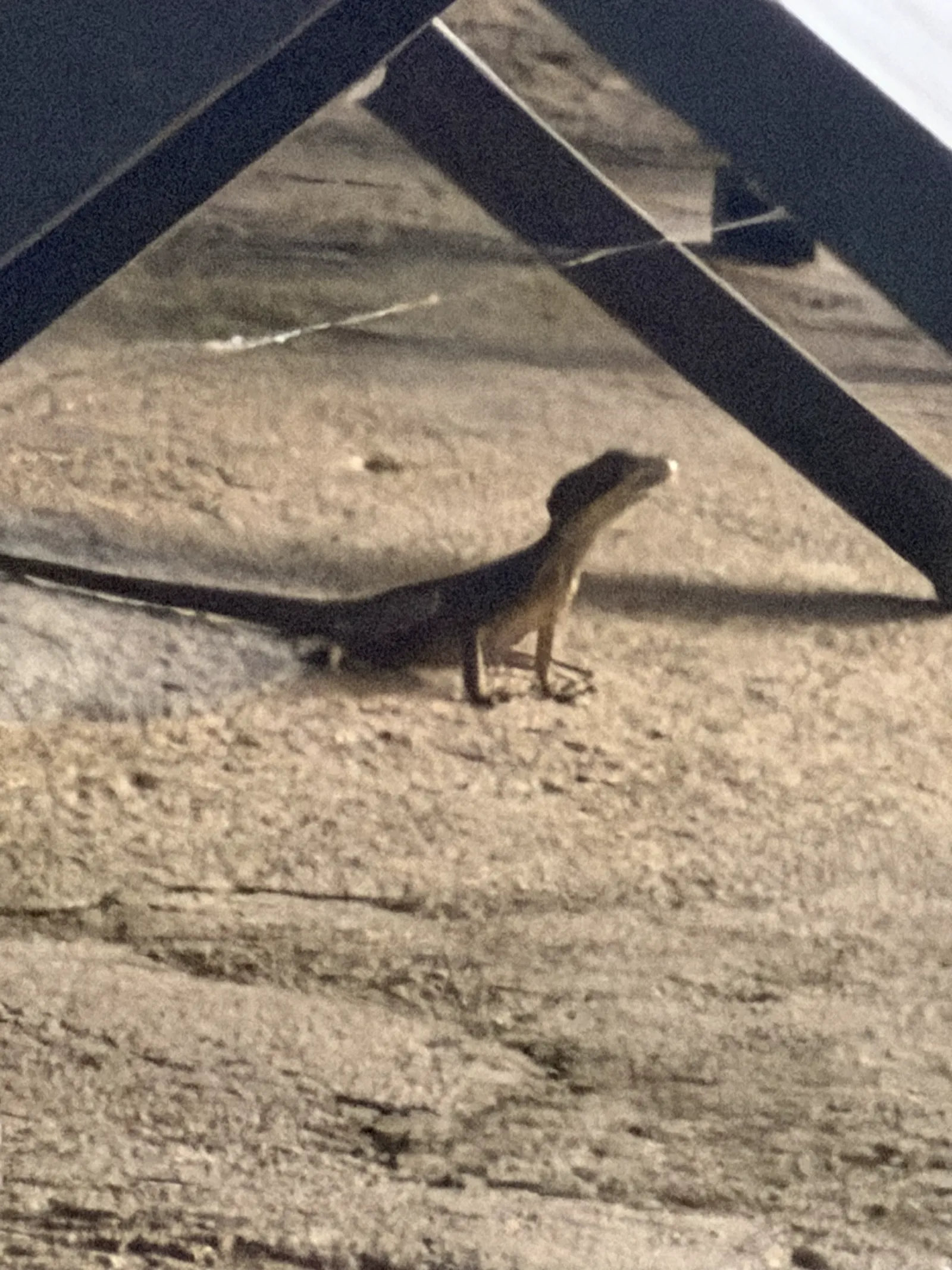
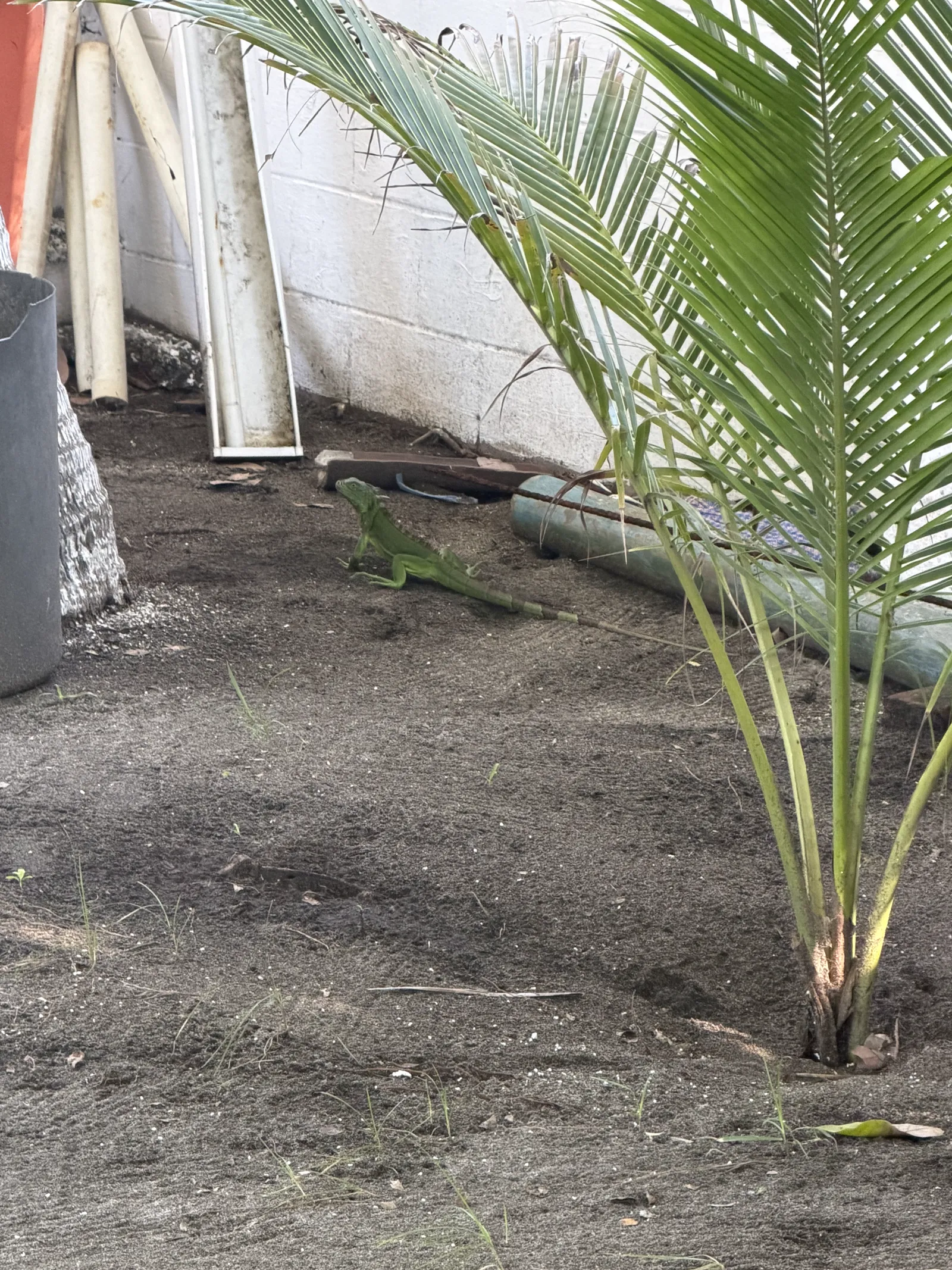
다섯 번째 날, 그리고 첫 손님이 나보다 먼저 도착했어. garrobo, 팔뚝 길이의 검은색 가시 꼬리 이구아나인데, 블록 담장 위에서 한 달값을 낸 것처럼 햇볕을 쬐고 있었어. 1년 된 초록색 이구아나는 rancho 옆 야자나무 아래에 있었어. 해먹 위의 큰 나무는 almendro, 열대 아몬드였고, 하루 종일 지붕 위에 열매를 떨어뜨렸어. 첫 밤에는 천장에 주머니쥐가 있었어. 아무도 월세를 요구하지 않았어.
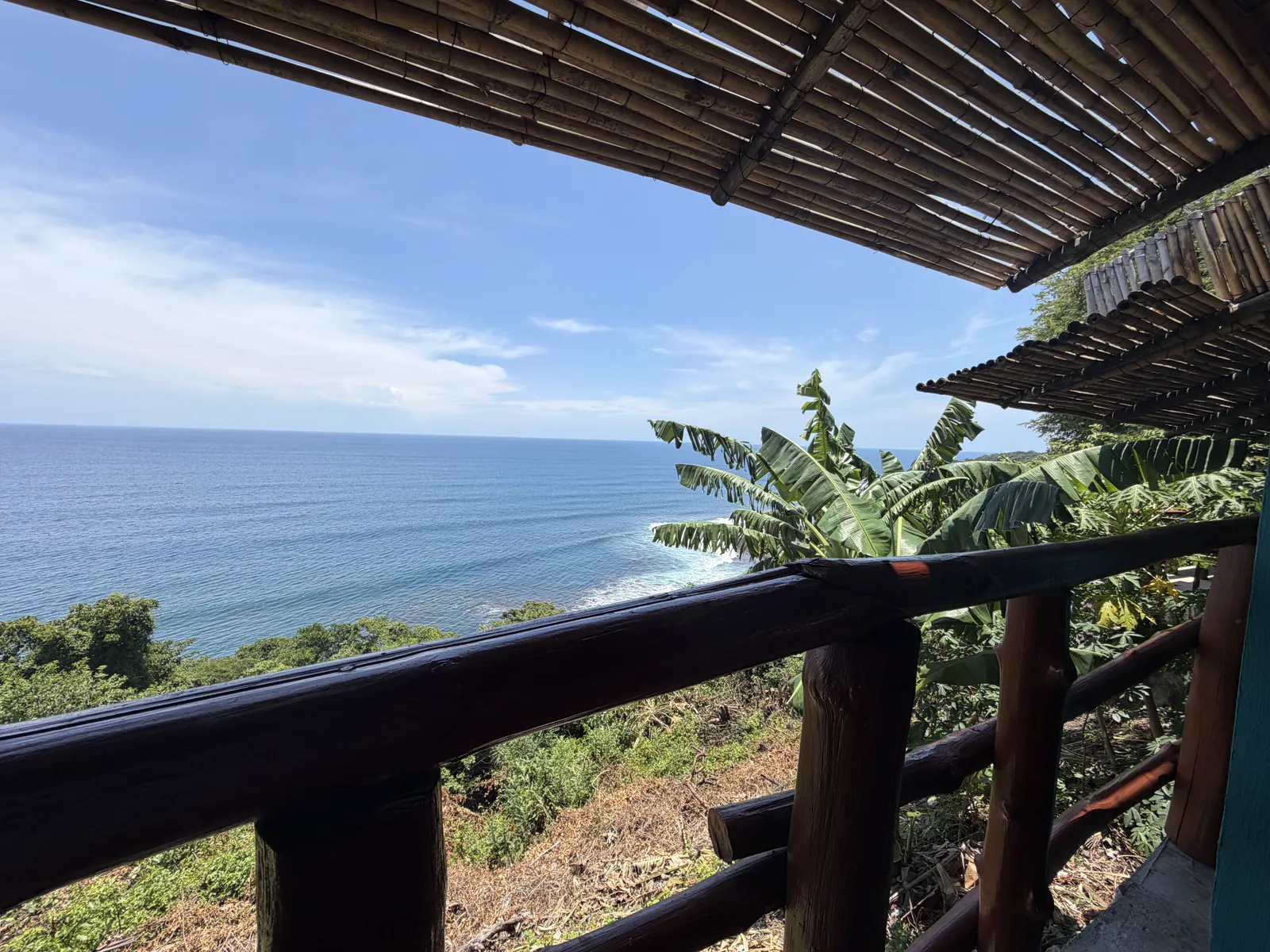
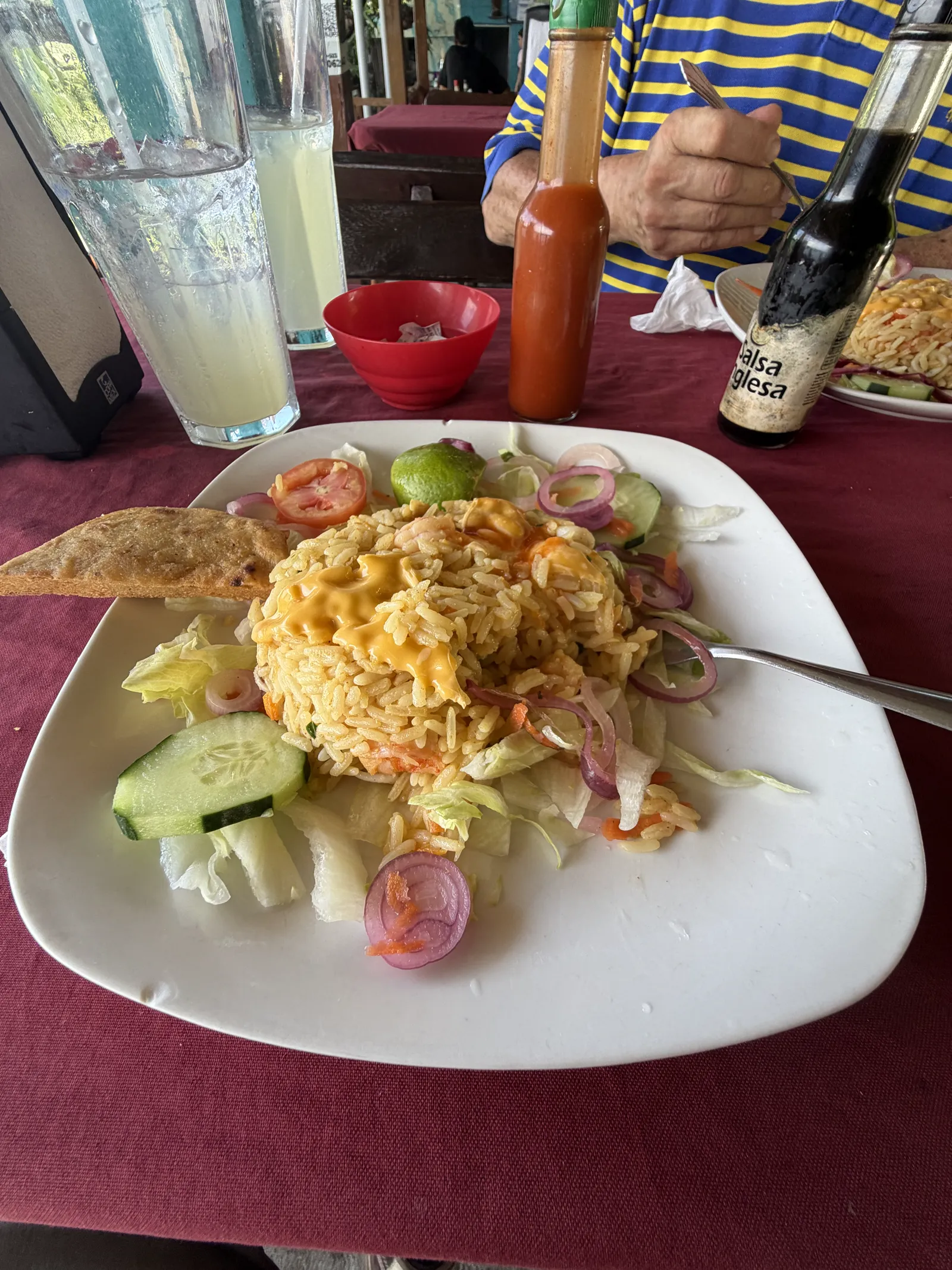
점심은 서핑 스트립에서 먹었어, bamboo 지붕의 palapa에서, 테이블 위에는 빨간 천이 있었고 테라스는 point break 위에 매달려 있었어 — 이 칠일간 World Junior Championship이 열리는 브레이크들 중 하나야. 쌀 위의 새우와 오징어에 녹은 치즈, 오이, 토마토, 절인 빨간 양파 샐러드, 토르티야, 라임, 기다리는 동안 짜낸 키 큰 레모네이드. 한 접시에 6달러, 레모네이드 두 잔에 2달러, 테이블에 주방비 2달러. 그 음식과 그 경치로 한 사람에 9달러, 전부 포함. 테이블의 누군가는 더 좋은 걸 먹었다고 했어. 나는 아니었어.
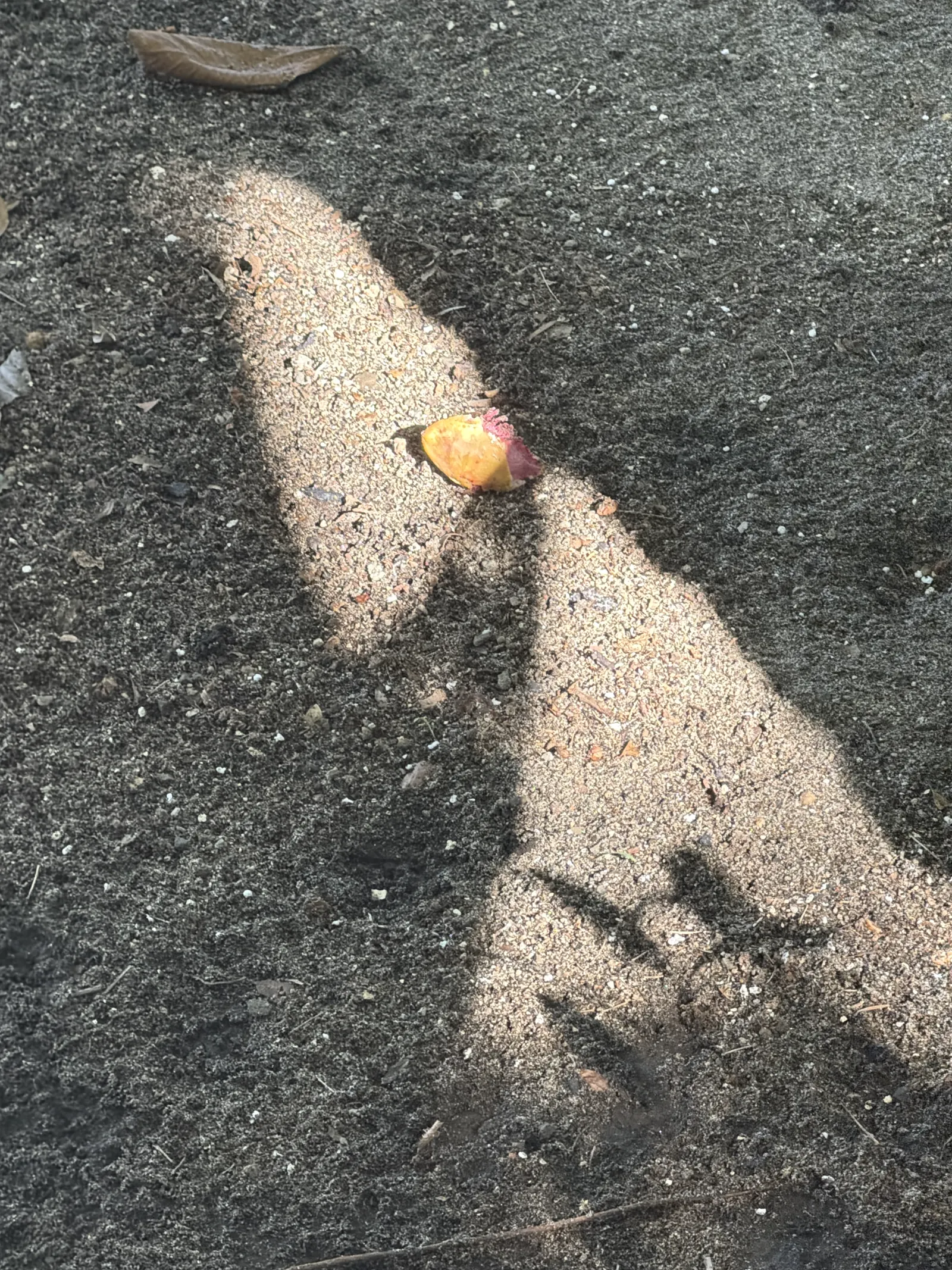
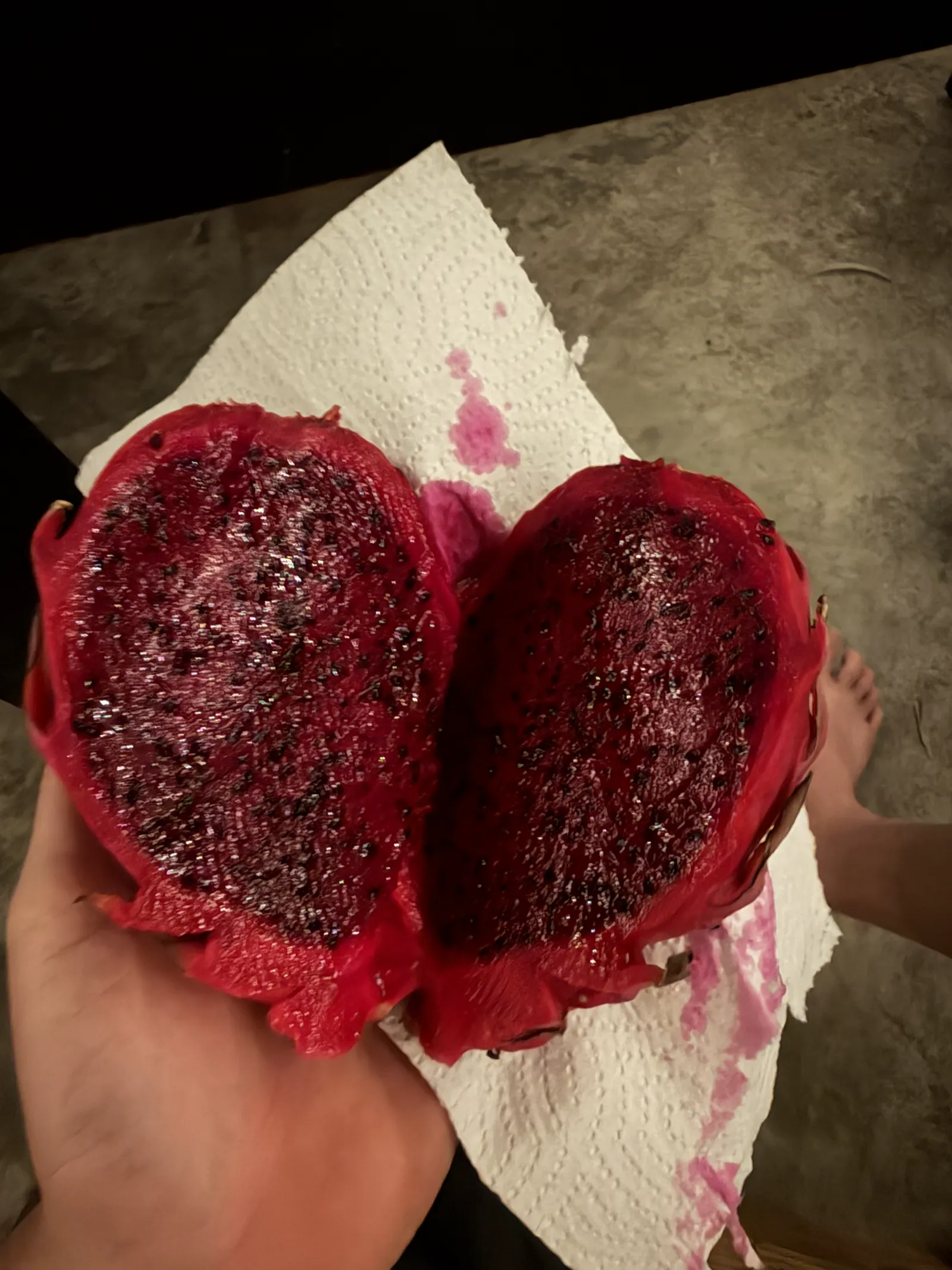
산살바도르 북쪽 해안도로에서 한 판매대가 pitahaya를 팔고 있었어. 4개에 10달러. 나는 캐나다에서 용과를 먹어본 적이 있어 — 베트남에서 수입되는 흰색 과육 종. 맛이 거의 없었어. 이건 다른 식물이야. 잘라보면 중앙까지 자홍색이고, 흰색 부분이 없어. 그리고 실제로 맛이 있어. 여기 슈퍼마켓에서는 같은 과일을 개당 4~5달러에 팔아. 도로변은 그 절반 가격이었어. 그리고 도마도, 키친타올도, 내 손도 물들었어.
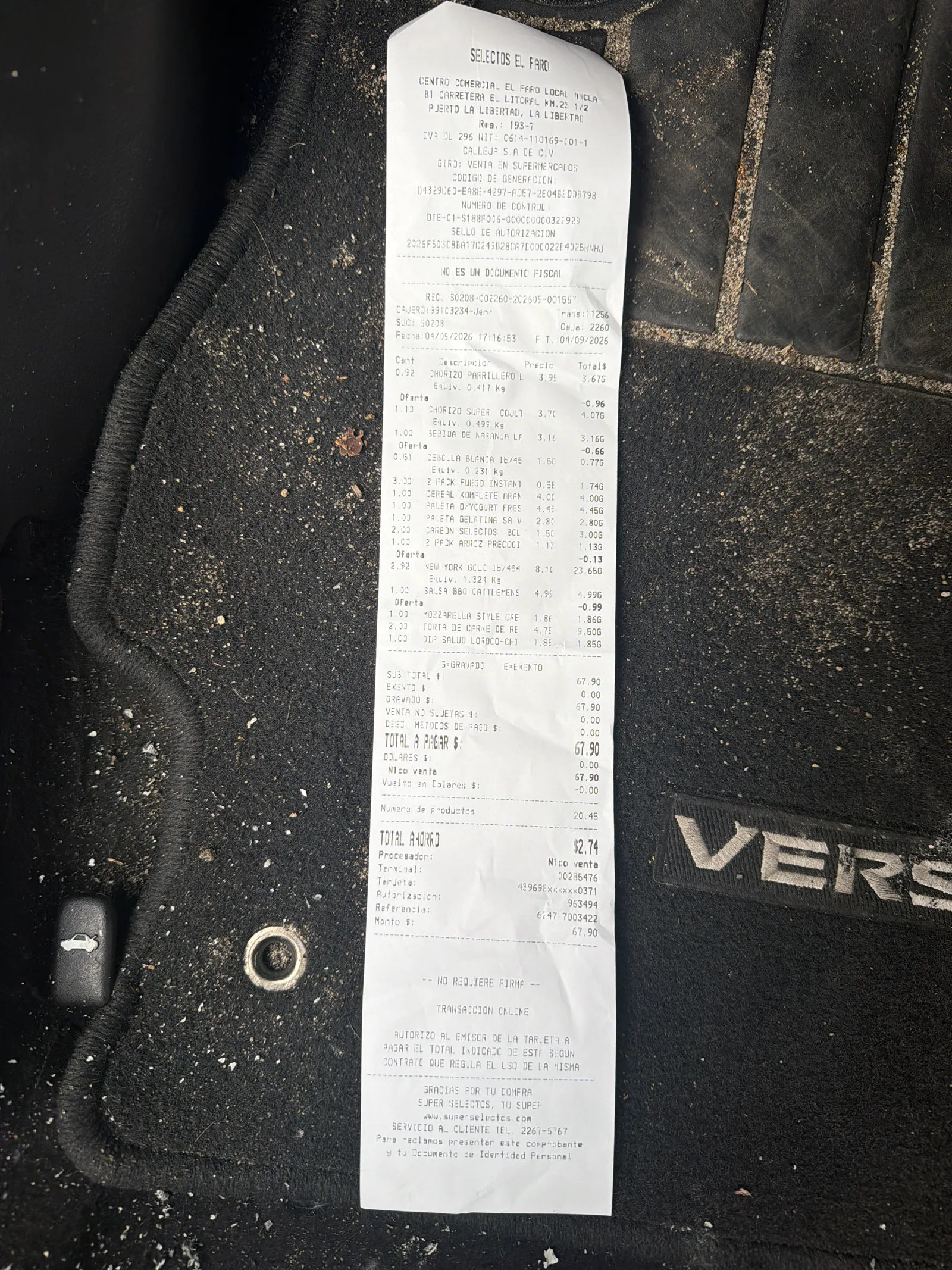
그 다음은 산살바도르의 슈퍼마켓이야. 바비큐를 할 예정이었거든. 67달러 90센트. 3파운드의 New York strip, 파운드당 8달러 10센트 — 스테이크당 8~9달러 정도야. 내가 지난주에 떠난 대초원 마을에서는 같은 부위가 개당 22~35달러야. 여기 strip은 돼지 갈비 5개 팩 가격과 같아. 쇠고기 chorizo 2파운드, 소시지 패티, 간 치즈, 바비큐 소스 한 병, 숯 2봉지, 점화제, 쌀, 시리얼, 오렌지 음료 한 병, 아이스팝 2박스. 9끼 분의 단백질이고, 그걸 요리할 숯까지 한 봉지에 들어가. 집에서는 그 돈으로 고기 없이 한 봉지도 못 나가.
다 싼 건 아니야. 슈퍼마켓 농산물이 비싼 항목이야: 상추 한 통에 5달러 50센트, 달걀은 1다스에 5달러 50센트. 닭들이 매 골목마다 걸어다니는 나라인데. 요령은, 슈퍼마켓에서 달걀을 사지 않는 거야. 지역 가격은 코너 tienda의 30개 트레이고, 그게 내가 다음에 찾을 수야.
바비큐는 Selectos 숯 위에서, almendro 아래에서 했어. 이 자리를 돌봐주는 남자가 나랑 함께 스테이크를 먹고, 그 다음 pitahaya를 먹었어. 그 다음 설거지를 했고 나는 닦았어. 나는 아직 게이트 열쇠가 없어서 그 사람이 내가 들어올 때마다 열어주고 나갈 때마다 닫아줘. 5일 만에 그걸 문제처럼 느끼기 시작했어 — 내 문제야. 5일 차에 배운 교훈은 스테이크 가격 이야기가 아니야. 사람들에게 의지하는 법을 배우는 거고, 그들의 도움을 받는 법을 배우는 거야. 모든 친절 뒤에 무슨 의도가 있을 수 있다고 생각하지 않고. 상호 존중과 감사, 그 뒤에 아무 수작도 없이. 북미와 세계 대부분에서 사라진, 신선한 공기 한 줄기야. Strip 가격이 얼마였는지 잊은 지 오래 지나서도 내가 기억할 것 같아.
거래대장: pitahaya $10.00 (4개, 도로변). 2인 점심 $18.00 팁 포함. 식료품 $67.90. 68달러 어치의 저녁은 아직 냉장고에 있어.