Hol Chan Marine Reserve is the first stop most people research when they're planning to dive or snorkel off Ambergris Caye or Caye Caulker in Belize, and the Hol Chan marine reserve fees come up in almost every trip-planning thread because the numbers you find online rarely agree with each other. I'm writing this as pre-trip research — I land in Belize as the first stop of a year-long overland route starting September 2026, and this is the kind of practical groundwork I'm doing before I get there, not a report from having been there.
What Hol Chan and Shark Ray Alley actually are
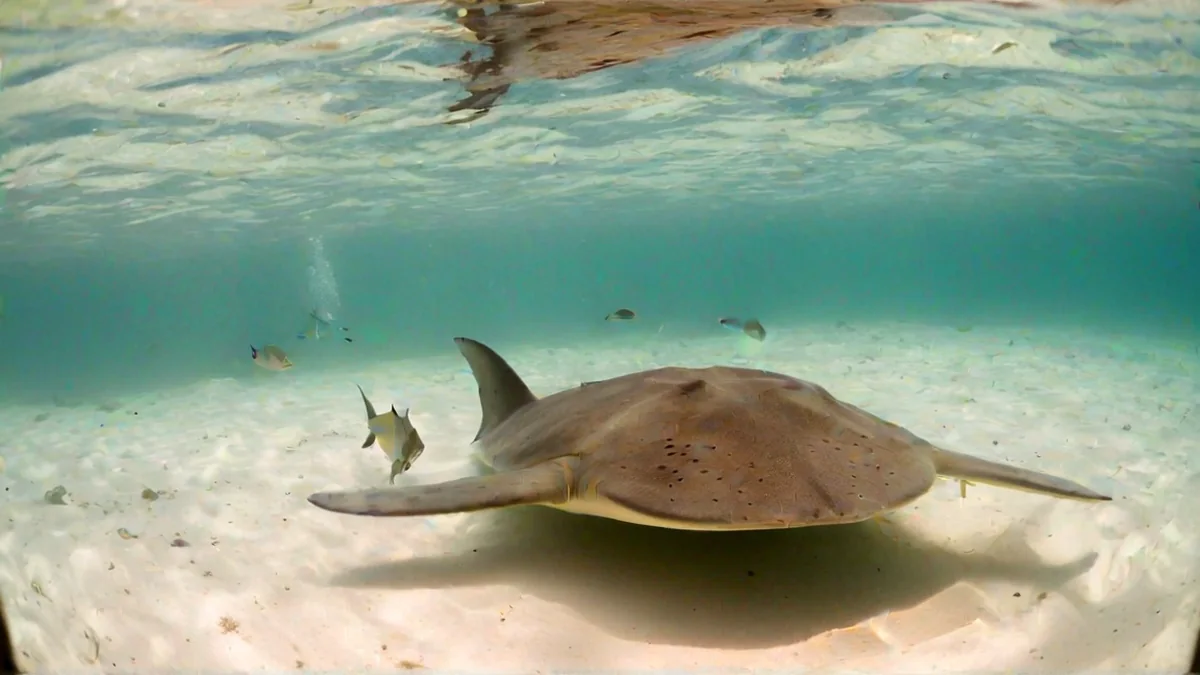
Hol Chan Marine Reserve is a protected area off the southern tip of Ambergris Caye, established in 1987 as one of Belize's first marine reserves. It's split into zones, the best known being the reef cut itself (Hol Chan means "little channel" in Yucatec Maya) and Shark Ray Alley, a separate zone a short boat ride away where nurse sharks and southern stingrays congregate in shallow water. Most day trips combine both stops into a single half-day tour.
What the marine reserve fees actually pay for
Belize's marine reserves are managed under the Belize Fisheries Department, and the entry fee funds the reserve's ranger patrols, mooring buoy maintenance (so boats don't drop anchor on coral), boundary enforcement, and research monitoring. This matters practically, not just ethically: reefs with active ranger presence and enforced no-anchor zones measurably hold up better over time than unmanaged sites nearby. The fee isn't a tourist tax layered on top of your tour price for no reason — it's the mechanism that keeps the site worth visiting.
What the fee typically covers, and what it doesn't
| Included in reserve fee | Not included — separate cost |
|---|---|
| Entry to the marine reserve zone | Boat transport to the site |
| Ranger-patrolled protected area access | Snorkel gear rental (if you don't own your own) |
| Mooring buoy system (protects the reef from anchors) | Dive tank and weight rental if diving vs. snorkeling |
| Guide/tour operator fee |
The reserve fee itself is a fixed government charge, usually collected by your tour operator as part of the package price rather than paid separately at a gate — there's no ticket booth in the water. Fees are set in Belize dollars (BZD, pegged 2:1 to USD) and have historically sat in the range of roughly BZD $10 for locals and a higher rate for non-residents, but government fee schedules change, so confirm the current number with your operator rather than trusting an old blog post — mine included, by the time you read this.
Snorkel vs. dive — different experience, different cost
Hol Chan's reef cut is shallow enough that it's one of the more rewarding snorkel sites in the region, not just a consolation option for non-divers. Shark Ray Alley is snorkel-only in practice for most visitors — the nurse sharks and stingrays congregate in water shallow enough that scuba adds little. Most operators sell it as a combined snorkel trip specifically because diving Shark Ray Alley isn't where the value is.
If you're certified and want to dive Hol Chan itself, expect a small additional cost for tank and weight rental on top of the boat and reserve fee, and expect fewer operators running dedicated dive trips there compared to snorkel trips — most dive operators in the area are pointed at Belize's bigger draws, like the Great Blue Hole or the outer barrier reef sites.
Seasonality and visibility — what to actually expect
Belize's dry season, roughly February through May, tends to bring the clearest water and calmest seas, which matters more for visibility than most people expect — a choppy day stirs up sediment even at a protected site. The wetter months, June through November, coincide with hurricane season regionally, and while Belize sits at the edge of the main storm track compared to some Caribbean islands, rain and wind still affect trip cancellations and underwater clarity. Early morning trips generally see calmer water than afternoon departures, regardless of season, simply because wind tends to build through the day.
The boat ride — what nobody's tour description mentions
Trips to Hol Chan and Shark Ray Alley typically depart from Ambergris Caye or Caye Caulker in open or semi-covered boats, and the ride can be genuinely rough depending on wind and chop — this is a small-boat, open-water crossing, not a calm harbor cruise. If you're prone to seasickness, that's worth planning around (timing, medication, seat position) more than most trip write-ups suggest. It's a short ride, generally 10-20 minutes depending on departure point, but a rough short ride is still a rough ride.
Questions worth asking your operator before booking
- Is the marine reserve fee included in the quoted price, or added at the dock?
- Is gear rental (mask, fins, snorkel) included, or an extra charge?
- What's the group size on the boat — some operators run large group trips, others keep it small?
- Does the trip include both Hol Chan and Shark Ray Alley, or just one?
Where this fits in my planning
I haven't been to Belize yet — I arrive there first, in September 2026, at the start of the overland route. This article is built from researching the reserve's management structure, published fee schedules, and operator trip structures ahead of time, the same groundwork I'd do before walking into any unfamiliar site. Once I've actually been, I'll update this with what I found on the ground, including whether the fee structure and boat experience matched what's written here.