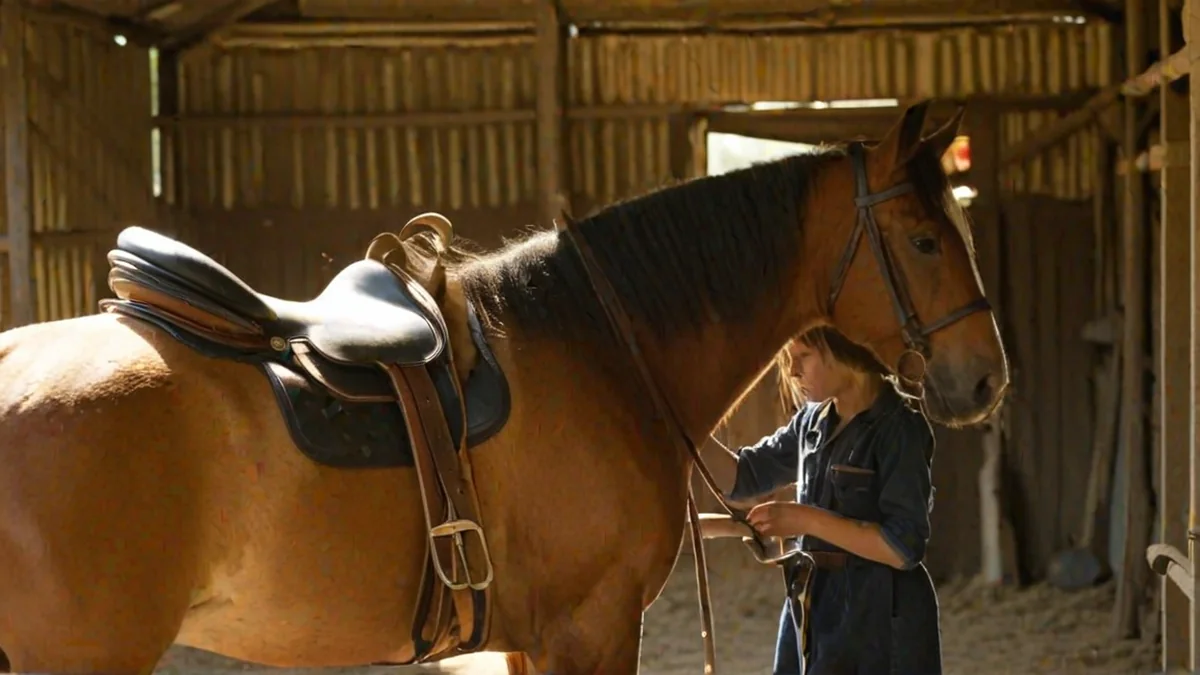
I haven't ridden a horse through the Central American backcountry yet — that starts once the trip does, September 2026. But I've spent a career assessing whether equipment and the people running it are actually fit for the job, and a stable is no different from a rig or a job site in that sense. How to choose a horseback riding tour comes down to whether the operator is looking after the horses and matching riders to horses honestly, or just getting bodies into saddles as fast as possible.
This is a welfare and risk assessment, not a romantic write-up of trail rides. Ranch and horse culture runs deep through Central America, and a lot of operators do this well. Some don't. Here's how to tell the difference before you're on the horse.
Why "how to choose a horseback riding tour" starts with the horse, not the scenery
Most tour listings sell the view — volcano backdrops, beach rides, jungle trails. None of that tells you whether the horse under you is sound, rested, and not carrying a saddle sore under the blanket. Assess the animal and the tack first. The scenery isn't going anywhere.
1. Horse body condition — what to actually look at
You don't need a veterinary degree to spot the basics:
- Ribs and hip bones. You shouldn't see ribs standing out sharply, and hip bones shouldn't be prominent points. A horse that's visibly thin is a horse being overworked, underfed, or both.
- Coat condition. A dull, rough coat can indicate poor nutrition or parasites. A healthy horse generally has some shine to it, seasonal variation aside.
- Posture and alertness. A horse standing with its head low, ears back, and no interest in its surroundings while waiting for a ride is telling you it's tired, in discomfort, or both. Compare several horses in the same string — if one looks noticeably worse than the others, ask why it's still working.
2. Sores and tack marks — the tell that's easy to miss
Before you mount, look under where the girth and saddle sit, and at the mouth where the bit contacts. Hair loss, raw patches, or visible sores in these spots mean the tack doesn't fit, or the horse is being worked through an existing injury. A good stable will let you look, or will show you without being asked. A stable that rushes you into the saddle before you can check is avoiding the question.
3. Hoof condition
Cracked, overly long, or visibly uneven hooves are a maintenance problem that compounds — a horse in hoof pain compensates by moving abnormally, which creates new problems elsewhere. You don't need to pick up the hoof yourself. Just look at how the horse stands and walks. Favoring a leg, short choppy steps, or reluctance to move forward are all signs worth asking about before you get on.
4. Tack condition
| Check | Why it matters |
|---|---|
| Girth strap — cracked, fraying, or stitching pulling loose | This is what keeps the saddle on. A failure here happens at the worst possible moment |
| Stirrup leathers — same check, plus even length | Uneven or worn leathers affect balance and control, especially for beginners |
| Saddle padding — flat, compressed, or torn | Directly causes the sores mentioned above over repeated use |
| Helmets offered and available in your size | Table stakes. No helmet option is a hard pass, full stop |
Check the girth strap yourself before you mount if nobody offers to show you. It takes five seconds and it's the single piece of tack most likely to fail under load.
5. Do they ask about your experience before assigning a horse
A well-run stable asks new riders questions before matching them to a horse: have you ridden before, how recently, are you comfortable at a trot, any injuries or conditions they should know about. That conversation exists because horses vary enormously in temperament and training, and putting a nervous first-timer on a green, spirited horse is how people get hurt.
If you show up, sign a waiver, and get handed reins with no questions asked, the matching process is random. That's a red flag regardless of how calm the horse looks in the yard.
6. Group size and terrain honesty
Ask how many riders per guide, and what the terrain actually involves — river crossings, steep sections, road crossings with traffic. A guide managing eight beginner riders alone on technical terrain can't respond fast enough if something goes wrong with one horse at the back of the line. Ask directly, and expect a specific number and a specific description of the route, not "it's an easy ride, don't worry."
Red flags, summarized
- No helmets offered, or helmets in poor condition
- No questions about your riding experience before you're assigned a horse
- Visibly thin horses, or sores under the tack
- Large groups with a single guide on technical terrain
- Horses that look listless or uninterested compared to others in the same string
- Staff who rush you past the horse and straight into the saddle
What a good operator does differently
The same pattern holds here as everywhere else I've assessed on this trip's planning: operators who are actually running things well don't mind you looking at the horse, checking the girth, or asking about the last time a vet came through. Operators who are cutting corners rush you past all of it and lean on the scenery to close the sale.
Where this fits into Vastura Travel
This is one piece of the operator-verification criteria for Vastura Travel. I haven't audited a stable in person yet — that starts with the trip in September 2026, working through Central America first. When a stable passes, it'll be because someone independent looked at the horses, the tack, and the process, not because they paid for a listing. Until then, use this yourself. It costs nothing to ask to see the girth strap.