"Eco" on a sign means nothing. I learned that lesson generically from thirty years of reading job-site signage that said "safety first" above equipment nobody had inspected in months. The word on the wall and the practice on the ground are two different things, and ethical wildlife tourism has the exact same gap — a lot of operators put the word "conservation" on the brochure and run a photo-op operation underneath it.
Here's how I'd assess a wildlife tour before booking, the same way I'd assess any operator claiming a standard they haven't demonstrated.
Ethical wildlife tourism: how to choose, starting with contact rules
The single clearest signal is whether the operator allows touching, feeding, or riding wild animals. Any operator offering to let you touch, hold, feed, or ride an animal that isn't domesticated livestock is telling you they prioritize the photo over the animal's welfare and natural behaviour. This applies across the board — sea turtles, big cats, primates, marine mammals, elephants. Wild animals that tolerate handling by strangers have usually been conditioned to do so, which is itself the welfare problem, not a sign the operation is gentle.
1. Distance rules — and whether they're enforced, not just posted
Most credible wildlife tourism operations post minimum distance guidelines. The test isn't whether the sign exists — it's whether the guide actually enforces it when a client wants to get closer for a better photo. Watch for:
- Does the guide hold the group back at the stated distance, even when someone pushes forward?
- Does the boat or vehicle approach the animal, or does it hold position and let the animal choose whether to approach?
- Is there a hard stop on group size near the animal, or does the operator keep bringing more boats or groups into the same spot?
2. Whale and dolphin watching — specific distance guidance
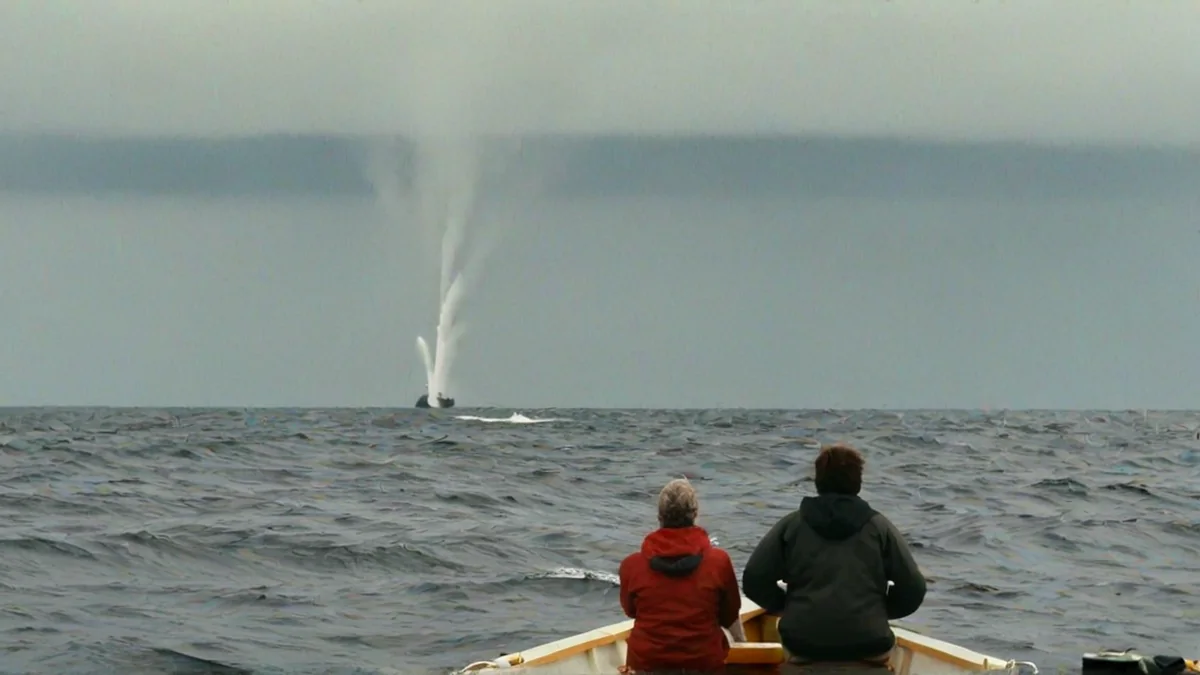
Marine mammal watching has some of the clearest published standards anywhere in wildlife tourism, generally in the range of 100 metres minimum approach distance for whales, with slower, no-wake approaches and no cutting off an animal's direction of travel. Rules vary by country and species, so ask the operator what specific distance and approach protocol they follow, and whether it's a local regulation or just their own policy. An operator who can cite the actual number is different from one who says "we keep a respectful distance" with nothing specific behind it.
| Question to ask | What a good answer sounds like |
|---|---|
| What's your minimum approach distance? | A specific number, tied to local regulation or a recognized standard |
| What do you do if the animal approaches the boat instead? | Maintain position, cut engine or idle, let the animal choose |
| How many boats are typically at the same sighting? | A capped number, with radio coordination between operators to avoid crowding |
3. Captive versus wild — ask plainly
Some operations bill an experience as "wildlife encounter" without being clear the animals are captive, farmed, or otherwise not behaving naturally. Ask directly: is this a wild population in its natural habitat, or a captive or semi-captive setting? Both can be run reasonably or poorly, but they're different experiences and different welfare questions, and you deserve to know which one you're booking before you show up.
4. Does the operator fund anything local
A conservation claim should point to something concrete: a portion of fees going to a specific local monitoring program, a partnership with a research group, employment of local guides with training in the animal's behaviour and ecology. "We support conservation" with no specifics behind it is a marketing line. "We fund two local rangers and report sightings to the regional monitoring project" is a claim you can actually verify.
5. Group size at the sighting itself
Even a well-run operation degrades if too many groups converge on one animal or one site at once. Ask if the operator coordinates with other operators to avoid stacking multiple boats or groups on the same sighting simultaneously. Crowding stresses animals regardless of how careful any single operator is being.
6. Guides who won't chase the animal for your photo
This is the clearest real-time tell. If an animal is moving away, does the guide follow and close the gap to get you a better shot, or hold position and accept that the sighting might end? A guide who chases is optimizing for your photo over the animal's behaviour. A guide who holds position, even if it means a shorter or more distant sighting, is doing the job correctly.
Red flags, summarized
- Any offer to touch, hold, feed, or ride a wild animal
- Posted distance rules that aren't enforced when clients push closer
- No clear answer on whether animals are wild or captive
- Vague conservation claims with no specific program or partner named
- Guides who chase or close distance on a moving animal for a better photo
- Multiple boats or groups stacked on one sighting with no coordination
Where this fits into Vastura Travel
Wildlife tours are one of the harder categories to verify from a listing alone, which is exactly why they need an in-person audit rather than a review score. I haven't assessed a wildlife operator in the field yet — that starts once the trip begins in September 2026. When an operator is marked Verified for wildlife tourism on Vastura Travel, it'll mean someone independent watched them work a real sighting and checked these specifics, not that they used the word "eco" in their listing.