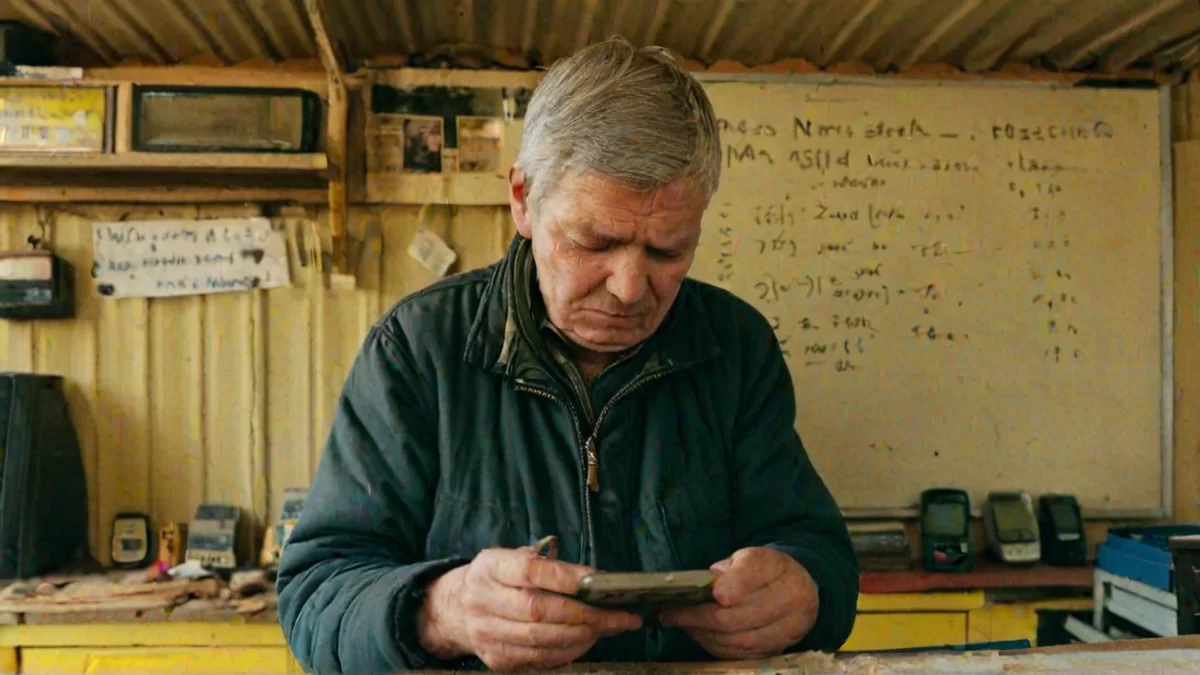
ถ้าคุณดำเนินการร้านดำน้ำ บ้านพักแขก หรือการท่องเที่ยวขนาดเล็ก มีโอกาสสูงที่การมีอยู่ออนไลน์ทั้งหมดของคุณคือเพจ Facebook และหมายเลข WhatsApp เท่านั้น นั่นไม่ใช่การวิจารณ์ — มันเป็นตัวเลือกที่สมเหตุสมผลสำหรับผู้ประกอบการขนาดเล็กจำนวนมาก และฉันเข้าใจดีว่าทำไมถึงเกิดเรื่องนี้ขึ้น แต่ ธุรกิจขนาดเล็กไม่มีเว็บไซต์ เป็นหนึ่งในช่องว่างที่พบได้บ่อยที่สุดที่ฉันคาดหวังจะพบเมื่อเริ่มต้นการตรวจสอบผู้ประกอบการสำหรับ Vastura Travel และคุ้มค่าที่จะซื่อสัตย์เกี่ยวกับว่าช่องว่างนั้นมีค่าใช้จ่ายจริง ๆ เท่าไร ไม่ใช่แค่บอกให้คุณไปสร้างเว็บไซต์ที่คุณไม่มีเวลา
ทำไมผู้ประกอบการขนาดเล็กถึงข้ามเว็บไซต์ — และทำไมนั่นจึงเป็นการตัดสินใจที่สมเหตุสมผล ไม่ใช่ความผิดพลาด
การดำเนินการร้านดำน้ำหรือการท่องเที่ยวขนาดเล็กนั้นเรียกร้องมากในด้านการปฏิบัติการ คุณกำลังจัดการตารางเวลาของพนักงาน การบำรุงรักษาอุปกรณ์ การตัดสินใจเกี่ยวกับสภาพอากาศ และลูกค้าจริง ๆ ที่อยู่ตรงหน้าคุณทุกวัน เว็บไซต์เป็นโครงการที่ไม่มีผลตอบแทนทันที แข่งขันกับสิ่งต่าง ๆ ที่มีผลตอบแทนทันที Facebook และ Instagram เป็นฟรี ทุกคนมีบัญชีอยู่แล้ว และลูกค้าสามารถส่งข้อความถึงคุณได้โดยตรงโดยไม่ต้องให้คุณสร้างหรือบำรุงรักษาสิ่งใด ๆ สำหรับผู้ประกอบการขนาดเล็กจำนวนมาก นั่นเพียงพออย่างแท้จริง — ในช่วงระยะเวลาหนึ่ง
ปัญหาไม่ใช่ว่า Facebook เป็นเครื่องมือที่ไม่ดี มันเป็นเพราะมันเป็นเครื่องมือเดียวเท่านั้น และมันล้มเหลวในช่วงเวลาที่ลูกค้าใหม่พยายามตัดสินใจว่าจะไว้วางใจคุณหรือไม่
ค่าใช้จ่ายจริงของ "ไม่มีเว็บไซต์" — โดยเฉพาะ
คุณไม่ปรากฏในการค้นหาที่สำคัญ
เมื่อใครค้นหา "dive shop [ชื่อเมืองของคุณ] safe" หรือ "best PADI course [ภูมิภาคของคุณ]" Google จะไม่นำเสนอหน้า Facebook ของคุณในลักษณะเดียวกับที่นำเสนอเว็บไซต์จริงที่มีเนื้อหาตอบคำถามนั้น หน้า Facebook ได้รับการจัดทำดัชนี แต่การแข่งขันอยู่บนพื้นฐานที่ต่างกันอย่างสิ้นเชิง — ไม่สามารถควบคุมชื่อหน้า ไม่มีข้อมูลที่จัดโครงสร้าง ไม่มีความสามารถในการตอบคำถามเฉพาะที่บุคคลพิมพ์ลงมา คุณจะเสียลูกค้าที่แน่นอนซึ่งทำการวิจัยมากที่สุดและใกล้จะจองแล้ว
คุณดูเหมือนไม่สามารถค้นหาได้สำหรับนักเดินทางประเภทใดประเภทหนึ่ง
นักเดินทางบางคนใช้ Instagram หรือ Facebook เท่านั้นและไม่เคยออกจากแอป แต่มีส่วนที่มีความหมาย — มักเป็นผู้ที่วางแผนล่วงหน้า เปรียบเทียบผู้ประกอบการหลายราย หรือเดินทางด้วยความระมัดระวังมากขึ้น (ครอบครัว นักเดินทางผู้สูงอายุ ใครก็ตามที่ทำความเข้าใจเกี่ยวกับความปลอดภัย) — คาดหวังว่าเว็บไซต์จริงจะเป็นสัญญาณพื้นฐานของความชอบด้วยกฎหมาย การไม่มีเว็บไซต์ไม่เพียงแต่ทำให้คุณสูญเสียการมองเห็น สำหรับส่วนนั้น มันอ่านได้เหมือนสัญญาณเตือน ไม่ว่าจะยุติธรรมหรือไม่ก็ตาม
อัตราคะแนนและความพร้อมใช้งานถูกฝังไว้ในเธรดข้อความ
หากไม่มีหน้าแสดงอัตราคะแนนปัจจุบัน ลูกค้าที่อาจเกิดขึ้นจะต้องส่งข้อความให้คุณและรอการตอบกลับเพื่อค้นหาว่าคุณอยู่ในงบประมาณของพวกเขาหรือไม่ นั่นคือการสูญสูญ ณ ช่วงเวลาที่พวกเขาตัดสินใจระหว่างคุณกับผู้ประกอบการอีนคน โดยมีแท็บเปิดอยู่ ผู้ประกอบการทุกรายที่คุณสูญเสียในระยะนั้นไม่ใช่เพราะบริการของคุณแย่กว่า — เป็นเพราะราคาของคู่แข่งอยู่เพียงแค่หนึ่งคลิกไป และของคุณต้องการการสนทนา
สิ่งที่ "สามารถค้นหาได้" ต้องการเป็นอย่างน้อย — ไม่ใช่การออกแบบใหม่ พื้น
คุณไม่จำเป็นต้องมีเว็บไซต์ห้าหน้าพร้อมบล็อกและเอนจิ่นจองทำ คุณต้องการสิ่งเฉพาะเจาะจงจำนวนน้อย
| องค์ประกอบ | ทำไมจึงสำคัญ |
|---|---|
| URL จริง (yourbusiness.com) | เป็นของคุณเอง ถาวร ไม่ขึ้นอยู่กับอัลกอริทึมหรือการเปลี่ยนแปลงนโยบายของแพลตฟอร์ม |
| Schema markup (ข้อมูลธุรกิจที่มีโครงสร้าง) | ให้ Google แสดงเวลาทำการ การประเมินผล และตำแหน่งของคุณโดยตรงในผลการค้นหา |
| ลิงก์ WhatsApp click-to-chat | รักษาวิธีการติดต่ออื่นที่มีความเสี่ยงต่ำซึ่งคุณใช้อยู่แล้ว เพียงแต่สามารถค้นหาได้นอกแอปพลิเคชัน |
| อัตราราคาที่มองเห็นได้ | ลบเหตุผลที่ใหญ่ที่สุดที่ทำให้ลูกค้าที่กำลังเรียกดูข้อมูลหันไปหาคู่แข่ง |
นั่นคือระดับพื้นฐานจริงๆ เพจเดียวที่มีสี่สิ่งเหล่านั้นจะมีการแปลงผลสูงกว่าการมีอยู่บน Facebook เพียงอย่างเดียว สำหรับลูกค้าที่กำลังเปรียบเทียบ — ซึ่งถ้าคุณอยู่ในเมืองดำน้ำที่มีการแข่งขันสูง ก็เป็นส่วนใหญ่ของพวกเขา
สิ่งนี้ไม่ได้หมายความว่า
ไม่ได้หมายความว่าต้องละทิ้ง Facebook หรือ Instagram เก็บไว้ — พวกเขายังคงเป็นที่ที่ชุมชนและการเข้าอีกครั้งของลูกค้าประจำเกิดขึ้น และสำหรับผู้ประกอบการบางรายการจองมาจากที่นั่นเป็นส่วนใหญ่ นอกจากนี้ไม่ได้หมายความว่าคุณต้องกลายเป็นนักการตลาด สี่สิ่งข้างต้นนั้นใกล้เคียงกับการ์ดธุรกิจมากกว่าแคมเปญการตลาด
ทำไมฉันถึงเขียนสิ่งนี้เป็นส่วนหนึ่งของ Vastura Travel
Vastura Travel เป็นไดเรกทอรีของตัวจัดการเล็กน้อยที่ผ่านการตรวจสอบอย่างเป็นอิสระ — ประเภทที่ซื่อสัตย์ โดยบุคคลที่เชี่ยวชาญในงานจริง (ดำน้ำ การนำทาง การขับขี่) และไม่จำเป็นต้องเก่งหรือสนใจ SEO ส่วนหนึ่งของสิ่งที่ฉันทำในการเดินทางนี้คือการค้นหาตัวจัดการที่สมควรได้รับการมองเห็นมากขึ้นกว่าที่พวกเขามีอยู่ เพราะมาตรฐานการตรวจสอบเกี่ยวกับความปลอดภัยและคุณภาพ ไม่ใช่งบประมาณการตลาด การลงรายการใน Vastura Travel ให้คุณหน้าที่เป็นโครงสร้างจริง สามารถค้นหาได้ โดยไม่คำนึงว่าคุณมีเว็บไซต์ของตัวเอง — มันไม่ใช่การแทนที่ของเว็บไซต์ของคุณเอง แต่เป็นพื้นฐาน สร้างขึ้นสำหรับช่องว่างที่อธิบายไว้ข้างต้น
หากคุณบริหารการดำเนินงานเล็กน้อยและสถานการณ์นี้อธิบายถึงสถานการณ์ของคุณ นั่นไม่ใช่สิ่งที่ควรอายเศร้า เป็นสถานะปกติสำหรับตัวจัดการเล็กน้อยที่ดีส่วนใหญ่ Vastura Digital ทีมงานที่อยู่เบื้องหลัง Vastura Travel ทำงานเพื่อปิดช่องว่างประเภทนี้โดยเฉพาะ — การมีอยู่ที่เจียมและเป็นโครงสร้าง สร้างสำหรับการค้นหา สำหรับตัวจัดการเล็กน้อยที่ต้องการใช้เวลาของพวกเขาในน้ำมากกว่าในตัวสร้างเว็บไซต์ ไม่มีความกดดัน ไม่มีข้อผูกพัน — เพียงแต่คุ้มค่าที่จะรู้ว่ามันเป็นปัญหาเฉพาะ แก้ไขได้ ไม่ใช่ความบกพร่องของตัวละคร
วิธีง่ายๆ ในการคิดเกี่ยวกับลำดับความสำคัญ
หากคุณตัดสินใจว่าจะใช้เวลาชั่วโมงแรกของความพยายามไปที่ไหน อย่าเริ่มต้นด้วยการออกแบบ เริ่มต้นด้วยสี่สิ่งที่เปลี่ยนแปลงว่าคนใดพบคุณและไว้วางใจคุณเพียงพอที่จะส่งข้อความ การออกแบบโลโก้ใหม่หรือแกลเลอรี่รูปภาพที่สวยงามนั้นมีความสำคัญในที่สุด แต่มันไม่ได้แก้ไขปัญหาพื้นฐาน — คุณเพียงแต่ไม่ปรากฏตัวในการค้นหาที่ลูกค้าที่ระมัดระวังและเปรียบเทียบกำลังมองหา แก้ไขความสามารถในการค้นหาเป็นอันดับแรก ทุกสิ่งอื่นเป็นรองลงมา
นี่คือมาตรฐานเดียวกันที่ฉันใช้กับรายชื่อ Vastura Travel โดยตรง รายชื่อที่นี่สร้างขึ้นมาให้ค้นหาได้ง่ายตามค่าเริ่มต้น — ข้อมูลที่มีโครงสร้าง หน้าจริง ข้อมูลที่มองเห็นได้ — ไม่ว่าผู้ดำเนินการที่อยู่เบื้องหลังจะเคยแตะตัวสร้างเว็บไซต์มาก่อนหรือไม่ นั่นคือจุดประสงค์ของไดเรกทอรีที่สร้างขึ้นโดยคนที่ใช้ชีวิตประเมินว่าระบบนั้นทำงานได้จริงภายใต้ความกดดันหรือไม่ ไม่ใช่แค่ว่ามันดูดีเมื่อนั่งนิ่ง