Tengo más de 50 años, pasé mi vida laboral en incendios y obras de construcción, y tengo exactamente cero experiencia en surf antes de este viaje. Y precisamente por eso este viaje es importante para mí. Aprender a surfear como adulto principiante es un problema diferente al de enseñar a un joven de dieciséis años en forma, y la mayoría de las escuelas de surf en realidad no se ajustan a eso. Las buenas sí lo hacen, y puedes saber cuál es cuál antes de pagar.
Esto no es una guía de "cómo ponerse de pie". Es qué buscar en la escuela misma, evaluada de la manera en que evaluaría cualquier operación que pone a la gente en un peligro que aún no entienden completamente.
Aprender a surfear como adulto principiante: el perfil de riesgo es diferente
Un adulto principiante tiene articulaciones diferentes, tiempo de recuperación diferente, y usualmente una cantidad saludable de vergüenza que un joven de dieciséis años no tiene. Nada de eso hace que el surf sea inseguro. Sí significa que la playa, la tabla y la instrucción necesitan en realidad coincidir con la persona frente al instructor, no con una plantilla genérica de campamento de surf para adolescentes.
1. Selección de playa y rompiente
No toda playa con olas es una playa para principiantes. Una buena escuela enseña en una rompiente con fondo arenoso, una ola suave y consistente, y una corriente manejable — no la rompiente de arrecife más adelante que se ve mejor en las fotos. Pregunta específicamente dónde suceden las lecciones y por qué se eligió ese lugar. "Porque está cerca del local" no es la misma respuesta que "porque la ola es amable y el fondo es arena, no arrecife".
2. Ratios de instructor a estudiante
Pregunta cuántos estudiantes por instructor. Un ratio de dos o tres adultos principiantes por un instructor en el agua es razonable — ese instructor puede en realidad observar a cada persona, atrapar una tabla antes de que golpee a alguien, y dar retroalimentación en tiempo real. Un ratio de ocho principiantes por un instructor significa que la mayor parte de la lección la pasas flaquenando solo mientras el instructor está ocupado en otro lado. Las lecciones grupales están bien y a menudo son más divertidas. El ratio es lo que determina si en realidad te están enseñando o solo supervisando.
3. Dimensionamiento del equipo — aquí es donde los cuerpos adultos quedan en desventaja
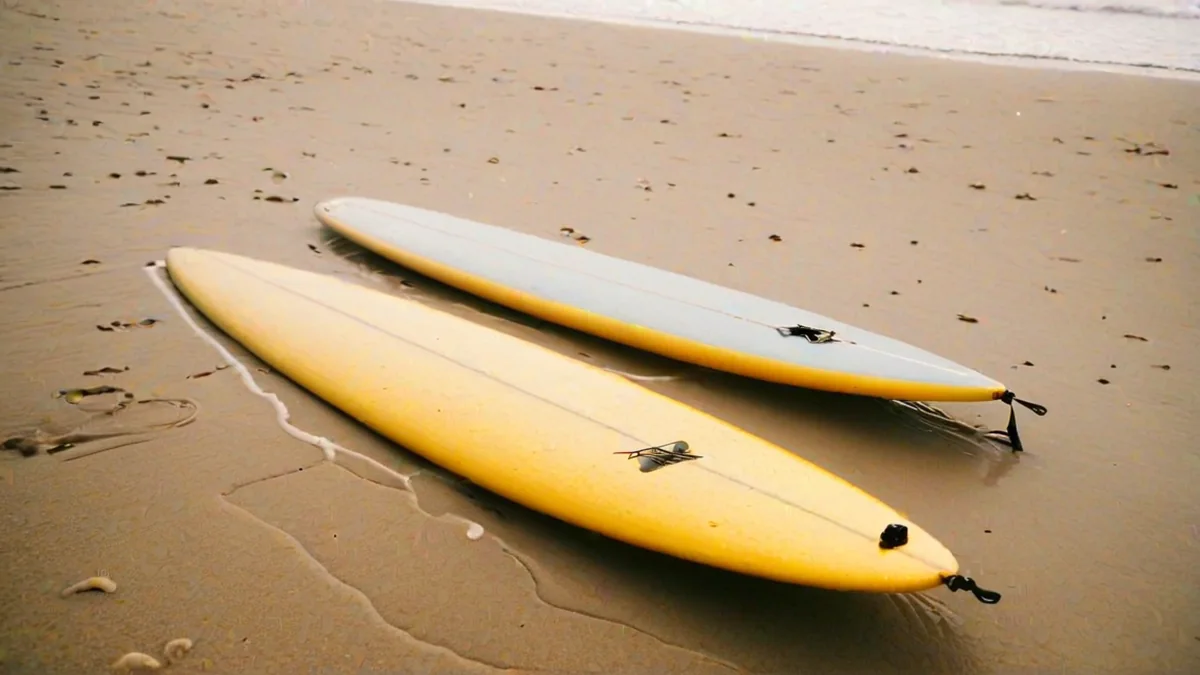
El volumen y la longitud de la tabla importan enormemente para los principiantes, y especialmente para los adultos principiantes. Una tabla demasiado pequeña para tu peso y nivel de habilidad es inestable y agotadora — pasarás la lección lidiando con la tabla en lugar de aprender a leer la ola. Una tabla blanda de tamaño adecuado para un adulto principiante es típicamente larga y de alto volumen, más cercana a lo que un campamento para niños consideraría sobretamaño.
| Qué verificar | Por qué |
|---|---|
| Longitud y volumen de tabla que coincidan con tu peso | Las tablas subdimensionadas son inestables para principiantes y hacen que el progreso sea más lento, no más rápido |
| Construcción de tabla blanda, no una tabla de fibra de vidrio dura | Los principiantes caen constantemente — una tabla blanda reduce lesiones tuyas y de otros cercanos |
| Condición y ajuste del leash | Un leash gastado o de tamaño incorrecto es un punto de falla prevenible |
| Disponibilidad de rash guard o traje de neopreno | La protección solar y contra el roce de la tabla importan más en una lección de varias horas de lo que la gente espera |
Si una escuela le entrega a cada adulto la misma tabla de tamaño medio sin importar el tipo de cuerpo, no están dimensionando equipo, están distribuyendo lo que sea que esté en el estante.
4. La charla de seguridad en el agua
Antes de que alguien reme, un buen instructor cubre las corrientes de resaca específicamente: cómo reconocerlas, qué hacer si te atrapan (nada paralelo a la orilla, no luches directamente contra ella), y cuáles son las condiciones del día. Esto debería suceder en cada sesión, no solo en la primera, porque las condiciones cambian día a día incluso en la misma playa.
Pregunta, si no se cubre espontáneamente: "¿Qué me dirías que haga si me atrapara una corriente de resaca aquí?" Un instructor real tiene una respuesta específica e inmediata. Una vaga es una señal de que la charla de seguridad es una formalidad, no una práctica.
5. Expectativas honestas, sin condescendencia
Una buena lección para adulto principiante te dice claramente: la mayoría de la gente no se pone de pie y cabalga una ola en su primera sesión, y eso es normal, no un fracaso personal. Tampoco te condescende porque tienes 50 años y no 16. La instrucción debería ajustarse para la aptitud física y la movilidad articular donde importe — ponerse de pie en una tabla es un patrón de movimiento diferente para una espalda baja rígida que para un adolescente — sin ser guiado con condescendencia.
Si el marketing de una escuela promete que estarás "cabalgando olas para el almuerzo", eso es un discurso de ventas, no una evaluación realista de una primera lección. Evalúa el mensaje de la misma manera que evaluarías a un operador que promete demasiado en cualquier otro lado: prometer demasiado al inicio a menudo es una señal de que se entregará menos en seguridad en el momento, porque el incentivo es meterte al agua rápido, no prepararte.
6. Realismo de aptitud física y edad, hecho correctamente
Un buen instructor preguntará sobre lesiones, limitaciones de movilidad, o condiciones de salud antes de que comience la lección, y se ajustará — técnica de entrada diferente, más tiempo en tierra practicando el pop-up antes de remar, sesiones más cortas con descansos. Esto no es sobreprotección. Es la misma razón por la que una charla de seguridad en una obra cambia dependiendo de quién está haciendo el trabajo. Ajustar el plan a la persona es competencia, no precaución por sí sola.
Lo que una buena escuela de surf hace diferente, resumido
- Enseña en una rompiente apropiada para principiantes, y puede explicar por qué
- Mantiene ratios de instructor lo suficientemente bajos como para entrenar realmente, no solo supervisar
- Dimensiona las tablas a la persona, no a un estante de una sola talla
- Cubre corrientes de resaca específicamente, en cada sesión
- Establece expectativas honestas en lugar de vender un resultado rápido
- Pregunta sobre tu aptitud física y limitaciones antes de que estés en el agua
Dónde encaja esto en Vastura Travel
Estaré evaluando escuelas de surf como parte de las auditorías de operadores de Vastura Travel una vez que el viaje comience en septiembre de 2026, particularmente a través de América Central y más adelante en el Sudeste Asiático. Aún no he tomado una lección yo mismo — cuando lo haga, será como un adulto principiante genuino, e informaré honestamente cómo va, bien o mal. Hasta entonces, este es el checklist que usaría al llegar a cualquier tienda de surf por primera vez.